Dentistry, a critical component of healthcare, focuses on the diagnosis, prevention, and treatment of diseases and conditions affecting the oral cavity and related structures. With evolving technologies, evidence-based practices, and an increasing understanding of systemic health connections, dentistry today transcends simple teeth cleaning or cavity fillings. Modern dentistry combines clinical expertise, advanced materials, digital solutions, and patient-centric care to ensure comprehensive oral health and overall well-being.
The Evolution of Dentistry
Dentistry has evolved dramatically from rudimentary tooth extractions and herbal remedies to advanced preventive and restorative techniques. Historical records reveal that early civilizations recognised the importance of oral care, using tools ranging from crude drills to natural antiseptics. However, contemporary dentistry integrates scientific research, technology, and personalised care approaches.
Key Milestones in Dental History
- 18th Century: Introduction of more sophisticated dental tools and prosthetics
- 19th Century: Development of anaesthesia allowed for pain-free dental procedures
- 20th Century: Fluoride usage and oral hygiene awareness significantly reduced dental decay
- 21st Century: Digital imaging, laser dentistry, and CAD/CAM technology revolutionised restorative and cosmetic procedures
Understanding these milestones highlights the gradual shift from purely reactive treatment to proactive prevention and comprehensive care.
Core Areas of Dentistry
Dentistry encompasses multiple specialisations, each focused on particular aspects of oral health. Professionals often pursue advanced education to specialise in these areas, ensuring patients receive highly targeted and effective treatment.
Preventive Dentistry
Preventive dentistry aims to avert dental problems before they escalate. Key preventive strategies include:
- Professional Cleaning: Removal of plaque and tartar buildup reduces the risk of cavities and gum disease.
- Fluoride Treatments: Strengthen enamel and prevent tooth decay, especially in children.
- Sealants: Protective coatings applied to molars to prevent cavities in hard-to-clean grooves.
- Oral Health Education: Guidance on brushing, flossing, diet, and lifestyle choices that influence oral health.
Evidence supports that preventive care significantly reduces the incidence of periodontal disease and tooth loss, while lowering long-term treatment costs.
Restorative Dentistry
Restorative dentistry focuses on repairing or replacing damaged or missing teeth, enhancing both function and aesthetics. Procedures include:
- Dental Fillings: Use of composite or amalgam materials to restore decayed teeth.
- Crowns and Bridges: Provide strength and durability for structurally compromised teeth.
- Dental Implants: Titanium or zirconia implants replace missing teeth with high stability.
- Root Canal Therapy: Saves infected teeth by removing damaged pulp and sealing the canal.
These treatments not only restore oral functionality but also contribute to patients’ confidence and psychological well-being.
Cosmetic Dentistry
Cosmetic dentistry enhances the appearance of teeth, gums, and smiles. Common procedures include:
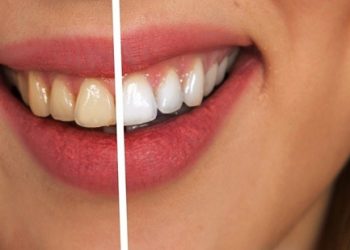
- Teeth Whitening: Professional bleaching treatments provide long-lasting results.
- Veneers: Thin porcelain or composite shells that cover imperfections.
- Orthodontics: Correct misaligned teeth and bite issues using braces or clear aligners.
- Gum Contouring: Reshapes the gum line for a balanced and aesthetically pleasing smile.
A growing body of research suggests that a healthy, attractive smile can positively impact social interactions, professional confidence, and mental health.
Orthodontics
Orthodontics specialises in correcting misaligned teeth and jaw structures, improving both function and facial aesthetics. Modern techniques include:
- Traditional Braces: Metal or ceramic brackets with wires to gradually shift teeth.
- Clear Aligners: Removable, nearly invisible trays that offer flexibility and discreet treatment.
- Palatal Expanders: Devices to widen the upper jaw in growing children.
- Retainers: Maintain alignment post-treatment to ensure long-term stability.
Orthodontic treatment can prevent complications such as TMJ disorders, uneven wear of teeth, and difficulty in oral hygiene maintenance.
Periodontics
Periodontics addresses the prevention, diagnosis, and treatment of gum-related diseases. Key considerations include:
- Gingivitis: Early-stage gum inflammation, reversible with proper care.
- Periodontitis: Advanced gum disease causing tissue and bone loss, requiring scaling, root planing, or surgical interventions.
- Implant Maintenance: Ensuring implants remain free of peri-implantitis through professional monitoring.
Periodontal health is closely linked to systemic conditions such as diabetes, cardiovascular disease, and pregnancy outcomes, emphasizing the importance of regular check-ups.
Oral and Maxillofacial Surgery
This branch deals with complex procedures involving the mouth, jaw, and facial structures. Common interventions include:
- Tooth Extractions: Removal of impacted or damaged teeth.
- Corrective Jaw Surgery: Addresses skeletal discrepancies affecting function and appearance.
- Cleft Lip and Palate Surgery: Restores normal function and aesthetics.
- Trauma Management: Treatment of facial fractures and soft tissue injuries.
Oral surgeons often collaborate with other specialists, ensuring multidisciplinary care for complex cases.
Pediatric Dentistry
Specialised dental care for children focuses on early detection, prevention, and behavioural guidance. Pediatric dentists emphasise:
- Growth Monitoring: Early recognition of bite and alignment issues.
- Preventive Treatments: Sealants, fluoride applications, and diet counselling.
- Behavioural Management: Using techniques to reduce anxiety and promote positive dental experiences.
Early intervention can prevent long-term oral health complications and instill lifelong healthy habits.
Innovations in Modern Dentistry
Modern dentistry leverages technology to improve precision, efficiency, and patient comfort.
Digital Dentistry
Digital tools enhance diagnostics and treatment planning:
- Intraoral Scanners: Capture precise 3D images of teeth and gums.
- Cone Beam CT Scans: Provide detailed anatomical views for implants and surgery.
- CAD/CAM Technology: Facilitates same-day crowns and restorations.
- Digital Smile Design: Visualises aesthetic outcomes before treatment begins.
Laser Dentistry
Laser technology enables minimally invasive procedures, reducing discomfort, bleeding, and healing time. Applications include:
- Gum Surgery: Reshaping or treating periodontal pockets.
- Cavity Removal: Precise targeting of decayed tissue.
- Teeth Whitening: Enhanced results with reduced sensitivity.
Tele-dentistry
Tele-dentistry has expanded access to care, allowing remote consultations, monitoring, and follow-ups. This innovation is particularly valuable for rural populations or patients with mobility challenges.
Oral Health and Systemic Health Connection
Research increasingly highlights the link between oral health and overall systemic well-being. Poor oral hygiene is associated with:
- Cardiovascular Diseases: Chronic inflammation from gum disease may elevate heart disease risk.
- Diabetes: Periodontal disease can worsen glycemic control.
- Pregnancy Complications: Gum infections may contribute to preterm birth or low birth weight.
- Respiratory Conditions: Oral bacteria may exacerbate chronic lung conditions.
This underscores dentistry’s role not only in oral care but also as an integral component of holistic health management.
Patient-Centric Dental Care
Modern dental practices prioritise patient comfort, communication, and personalised treatment plans. Key elements include:
- Pain Management: Advanced anaesthesia, sedation, and minimally invasive techniques.
- Patient Education: Guidance on diet, oral hygiene routines, and preventive care.
- Customized Treatment Plans: Considering aesthetic preferences, medical history, and lifestyle factors.
- Continuity of Care: Regular check-ups and proactive monitoring for early detection of issues.
Patient-centric approaches improve compliance, satisfaction, and long-term oral health outcomes.
Challenges in Dentistry
Despite advancements, the field faces ongoing challenges:
- Accessibility: Geographic and economic barriers limit access to quality dental care.
- Workforce Shortages: Demand for specialised services often exceeds supply.
- Oral Health Disparities: Vulnerable populations experience higher rates of untreated dental conditions.
- Cost of Advanced Treatments: High-end procedures may be financially prohibitive for some patients.
Addressing these challenges requires policy interventions, community outreach, and education initiatives.
Future Trends in Dentistry
Emerging trends suggest that dentistry will continue to evolve towards more efficient, precise, and patient-friendly care:
- Artificial Intelligence: Enhances diagnostics, predicts disease risk, and assists in treatment planning.
- Regenerative Dentistry: Stem cell therapies and biomaterials for tissue and tooth regeneration.
- 3D Printing: Rapid production of crowns, dentures, and orthodontic appliances.
- Sustainable Practices: Eco-friendly materials and reduced waste in dental practices.
These innovations aim to improve outcomes, reduce patient discomfort, and make advanced dental care more widely accessible.
FAQs About Dentistry
1. How often should I visit a dentist for routine check-ups?
It is recommended to visit your dentist every six months for preventive care and early detection of potential issues. Individuals with higher risk factors may require more frequent visits.
2. Are dental X-rays safe?
Modern dental X-rays involve minimal radiation exposure, and protective measures like lead aprons further reduce risks. They are crucial for detecting cavities, bone loss, and other hidden problems.
3. Can dental procedures affect overall health?
Yes. Treating oral infections and maintaining healthy gums can lower the risk of cardiovascular disease, diabetes complications, and other systemic conditions.
4. Is teeth whitening harmful?
Professional whitening is generally safe when performed under guidance. Overuse or unsupervised treatments may cause enamel sensitivity or gum irritation.
5. What is the difference between a dental implant and a bridge?
A dental implant is a standalone replacement anchored in the jawbone, while a bridge relies on adjacent teeth for support. Implants provide superior durability and bone preservation.
6. How can I prevent gum disease?
Maintaining proper oral hygiene, regular dental visits, a balanced diet, and avoiding smoking are key preventive measures.
7. Are clear aligners effective for all orthodontic cases?
Clear aligners are effective for many cases, especially mild to moderate misalignments. Severe bite issues may still require traditional braces or surgical interventions.
Dentistry today is a dynamic, evidence-driven field that combines science, technology, and patient-focused care. From preventive measures to complex restorative procedures, modern dental practices aim to enhance both oral and systemic health while ensuring patient comfort and satisfaction. Staying informed about oral health and embracing preventive care remains central to achieving long-term wellness and a confident, healthy smile.