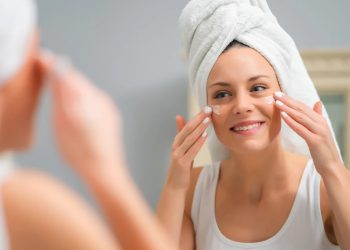

Skin care is no longer about following generic routines or copying trends. Personalized skin care focuses on understanding your unique skin needs and choosing products and habits that work with your skin, not against it. Factors like skin type, lifestyle, climate, and age all play a role in how your skin behaves and what it truly needs.
When skin care is tailored correctly, it can improve texture, balance oil production, reduce irritation, and support long-term skin health.
Why Personalized Skin Care Matters
No two people have identical skin. Using products meant for the wrong skin type can lead to breakouts, dryness, sensitivity, or premature aging. Personalized skin care helps you:
-
Address specific concerns more effectively
-
Avoid unnecessary or harmful ingredients
-
Maintain a healthy skin barrier
-
Save time and money by using the right products
Understanding your skin type is the foundation of personalization.
Understanding Different Skin Types
Skin types are generally categorized based on oil production, hydration levels, and sensitivity. Knowing where your skin fits helps guide product choices and routines.
Normal Skin
Normal skin is well-balanced, with neither excessive oil nor dryness. Pores are usually small, and breakouts are infrequent.
Care tips:
-
Use a gentle cleanser to maintain balance
-
Focus on hydration and antioxidant protection
-
Avoid overly harsh or stripping products
Dry Skin
Dry skin lacks sufficient moisture and may feel tight, rough, or flaky. It can appear dull and may be more prone to fine lines.
Care tips:
-
Choose creamy, non-foaming cleansers
-
Use rich moisturizers with ceramides and humectants
-
Limit hot water and over-exfoliation
Oily Skin
Oily skin produces excess sebum, often leading to shine and enlarged pores. It may be more prone to acne.
Care tips:
-
Use lightweight, gel-based cleansers
-
Look for oil-free, non-comedogenic products
-
Don’t skip moisturizer—hydration helps regulate oil
Combination Skin
Combination skin has both oily and dry areas, commonly with an oily T-zone and drier cheeks.
Care tips:
-
Use balanced formulations suitable for mixed skin
-
Spot-treat areas based on their needs
-
Avoid heavy products that overwhelm oily zones
Sensitive Skin
Sensitive skin reacts easily to products or environmental factors, leading to redness, itching, or burning.
Care tips:
-
Choose fragrance-free and minimal-ingredient formulas
-
Patch-test new products before full use
-
Strengthen the skin barrier with soothing ingredients
Key Elements of a Personalized Skin Care Routine
A customized routine doesn’t need to be complicated. It should focus on consistency and skin-appropriate choices.
Cleansing
Cleansing removes dirt, oil, and pollutants without disrupting the skin barrier. The cleanser should match your skin type and be used consistently, typically twice a day.
Moisturizing
Moisturizers help maintain hydration and protect the skin barrier. Even oily skin benefits from proper moisturizing when the right texture is used.
Sun Protection
Daily sunscreen use is essential for all skin types. It prevents premature aging, pigmentation, and long-term skin damage.
Look for sunscreens that:
-
Offer broad-spectrum protection
-
Suit your skin type’s texture needs
-
Are comfortable enough for daily use
Targeted Treatments
Serums and treatments allow for deeper personalization. These address specific concerns like acne, hyperpigmentation, dehydration, or fine lines.
Lifestyle Factors That Influence Skin Care Needs
Skin is affected by more than products alone. Personalized skin care considers daily habits and surroundings.
-
Climate: Dry or humid environments change hydration needs
-
Diet: Nutrient intake affects skin clarity and resilience
-
Stress: Chronic stress can trigger breakouts and sensitivity
-
Sleep: Skin repairs itself during rest
Adjusting routines based on these factors leads to better long-term results.
Common Mistakes in Skin Personalization
Even with good intentions, personalization can go wrong.
-
Using too many active ingredients at once
-
Frequently switching products without allowing adjustment time
-
Following trends that don’t suit your skin type
-
Ignoring early signs of irritation or imbalance
Listening to your skin is just as important as following routines.
Conclusion
Personalized skin care is about understanding, not perfection. By identifying your skin type, choosing suitable products, and adapting to lifestyle changes, you can build a routine that supports healthy, resilient skin over time. Consistency, patience, and awareness are the real keys to glowing skin.
Frequently Asked Questions (FAQs)
1. How can I accurately determine my skin type at home?
You can observe how your skin feels a few hours after cleansing with no products applied. Oiliness, tightness, or redness can indicate your skin type.
2. Can my skin type change over time?
Yes, skin type can change due to age, hormones, climate, stress, or health conditions.
3. Is it possible to have more than one skin type?
Yes, combination skin is common, and skin concerns can vary across different areas of the face.
4. How long should I wait before judging if a product works?
Most skin care products need at least 3–4 weeks of consistent use to show noticeable results.
5. Should personalized skin care routines change with the seasons?
Yes, seasonal changes often require adjustments in cleanser strength, moisturizer texture, and hydration levels.
6. Are natural products always better for personalized skin care?
Not necessarily. Both natural and synthetic ingredients can be effective or irritating depending on formulation and skin sensitivity.
7. Can personalized skin care help with long-term skin health?
Yes, tailored routines support the skin barrier, reduce chronic issues, and help maintain healthier skin as you age.