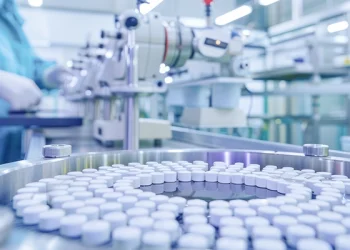

The pharmaceutical supply chain plays a critical role in ensuring that safe, effective, and high-quality medicines reach patients on time. Unlike many other industries, pharmaceutical supply chains must balance speed, precision, compliance, and patient safety. Even minor disruptions can lead to drug shortages, financial losses, or serious public health consequences.
Understanding the Pharmaceutical Supply Chain
The pharmaceutical supply chain covers every step from raw material sourcing to final delivery to hospitals, pharmacies, and patients. It typically includes:
-
Active pharmaceutical ingredient (API) suppliers
-
Drug manufacturers and contract manufacturing organizations
-
Packaging and labeling units
-
Wholesalers and distributors
-
Retail pharmacies, hospitals, and clinics
Each stage is interconnected, making the system highly sensitive to delays and errors.
Key Challenges in Pharmaceutical Supply Chain Management
Regulatory Compliance and Documentation
Pharmaceutical supply chains operate under strict regulatory frameworks. Companies must comply with Good Manufacturing Practices (GMP), serialization requirements, and country-specific regulations.
-
Frequent regulatory updates increase operational complexity
-
Non-compliance can result in product recalls or market bans
-
Documentation errors may delay product release
Cold Chain Management for Temperature-Sensitive Drugs
Many modern medicines, including biologics and vaccines, require precise temperature control throughout transportation and storage.
-
Temperature excursions can render products ineffective
-
Limited cold storage infrastructure in developing regions
-
High costs of monitoring and validation systems
Drug Shortages and Supply Disruptions
Drug shortages are a growing global concern, often caused by:
-
Dependency on limited API suppliers
-
Manufacturing capacity constraints
-
Geopolitical tensions and trade restrictions
-
Natural disasters and pandemics
These shortages directly impact patient care and healthcare providers.
Lack of End-to-End Visibility
Limited transparency across the supply chain makes it difficult to track products in real time.
-
Inaccurate demand forecasting
-
Delayed identification of bottlenecks
-
Difficulty tracing products during recalls
Improving visibility is essential for faster decision-making and risk mitigation.
Counterfeit and Falsified Medicines
Counterfeit drugs pose a serious threat to patient safety and brand reputation.
-
Infiltration through complex distribution networks
-
Weak enforcement in certain markets
-
Difficulty verifying product authenticity
Serialization and track-and-trace technologies are helping address this issue, but adoption remains uneven globally.
Rising Transportation and Logistics Costs
Fuel price volatility, labor shortages, and limited freight capacity have significantly increased logistics expenses.
-
Higher costs reduce profit margins
-
Smaller manufacturers face greater financial strain
-
Urgent shipments often require expensive expedited transport
Data Integration and Technology Gaps
Many pharmaceutical companies rely on legacy systems that do not communicate effectively with partners.
-
Fragmented data across suppliers and distributors
-
Manual processes increase risk of errors
-
Slow adoption of digital supply chain solutions
Strategies to Overcome Supply Chain Challenges
Pharmaceutical companies are increasingly investing in advanced solutions to build resilient supply chains.
-
Digital transformation using AI and predictive analytics
-
Supplier diversification to reduce dependency risks
-
Real-time tracking systems for shipments and inventory
-
Strategic inventory buffers for critical medicines
-
Stronger collaboration with logistics and healthcare partners
These measures help improve reliability, efficiency, and patient outcomes.
Future Outlook of Pharmaceutical Supply Chains
The future of pharmaceutical supply chain management will focus on resilience, transparency, and sustainability. Companies are moving toward:
-
End-to-end digital visibility
-
Regionalized manufacturing hubs
-
Environmentally sustainable logistics practices
-
Patient-centric distribution models
Those that adapt quickly will be better positioned to handle global uncertainties and evolving healthcare demands.
Frequently Asked Questions (FAQs)
What makes pharmaceutical supply chains more complex than others?
Strict regulations, temperature-sensitive products, and patient safety requirements make pharmaceutical supply chains uniquely complex.
How do drug shortages affect healthcare systems?
Drug shortages can delay treatments, increase costs, and force healthcare providers to use less effective alternatives.
Why is cold chain management critical in pharmaceuticals?
Many drugs lose effectiveness if exposed to incorrect temperatures, making cold chain integrity essential.
How does serialization help prevent counterfeit medicines?
Serialization assigns unique identifiers to each drug package, enabling tracking and verification throughout the supply chain.
What role does technology play in supply chain optimization?
Technologies like AI, IoT, and blockchain improve forecasting, visibility, traceability, and risk management.
Are pharmaceutical supply chain challenges increasing globally?
Yes, globalization, regulatory complexity, and external disruptions have intensified supply chain challenges worldwide.
How can companies improve supply chain resilience?
Diversifying suppliers, investing in digital tools, and strengthening partnerships are key to building resilient supply chains.