Understanding orthodontics and its evolution
Orthodontics, a specialised branch of dentistry, focuses on diagnosing, preventing, and correcting misaligned teeth and jaws. The field has undergone significant transformations since its inception, evolving from rudimentary techniques to advanced technologies that cater to diverse patient needs. Early orthodontic practices can be traced back to ancient civilisations, where rudimentary devices made from materials like metal and wood were used to align teeth. While these methods laid the groundwork, they lacked the precision and effectiveness seen in modern orthodontic solutions.
The evolution of orthodontics accelerated in the 20th century with the introduction of metal braces, which became the standard for many years. These traditional braces featured brackets bonded to the teeth, connected by wires that exerted gradual pressure to move teeth into proper alignment. While effective, they often carried the stigma of being unattractive and uncomfortable. As dental research progressed and technology advanced, the field began to explore various alternatives that would not only improve efficacy but also enhance patient comfort and aesthetics.
Today, orthodontics is a dynamic field that embraces innovation, offering a variety of solutions tailored to individual preferences. From clear aligners to self-ligating braces, advancements have made orthodontic treatment more accessible and appealing to people of all ages. The incorporation of digital technologies, such as 3D imaging and computer-aided design, has further revolutionised treatment planning, allowing orthodontists to create customised solutions that yield optimal results. As we delve deeper into the evolution of orthodontic solutions, it becomes clear that the journey towards a confident smile is now more inclusive than ever.
Importance of confidence in dental health
Confidence plays a crucial role in dental health, often influencing an individual’s willingness to seek treatment and maintain oral hygiene. A healthy smile is not just aesthetically pleasing; it also significantly impacts self-esteem and social interactions. Many individuals who suffer from dental misalignments may feel self-conscious about their appearance, leading to reluctance in engaging with others. This lack of confidence can affect various aspects of life, including personal relationships, professional opportunities, and overall mental well-being.
The psychological benefits of orthodontic treatment are profound. When individuals invest in their smiles, they often experience a boost in self-esteem and confidence. This newfound assurance can encourage them to participate more actively in social situations, pursue career advancements, and engage in activities they may have previously avoided due to embarrassment. Moreover, a confident smile can serve as a powerful tool for communication, fostering connections and leaving positive impressions on others.
Beyond the emotional aspects, improved dental alignment can also contribute to better oral health. Misaligned teeth can create challenges in maintaining proper hygiene, leading to an increased risk of cavities and gum disease. By addressing orthodontic issues, individuals not only enhance their smiles but also promote better long-term dental health. In this way, confidence and dental health are intricately linked, reinforcing the importance of seeking appropriate orthodontic solutions that empower individuals to embrace their unique journeys.
If you need a dental health clinic in Camden or anywhere across London there are a selection of dentists who specialise in Orthodontics.
Traditional orthodontic solutions
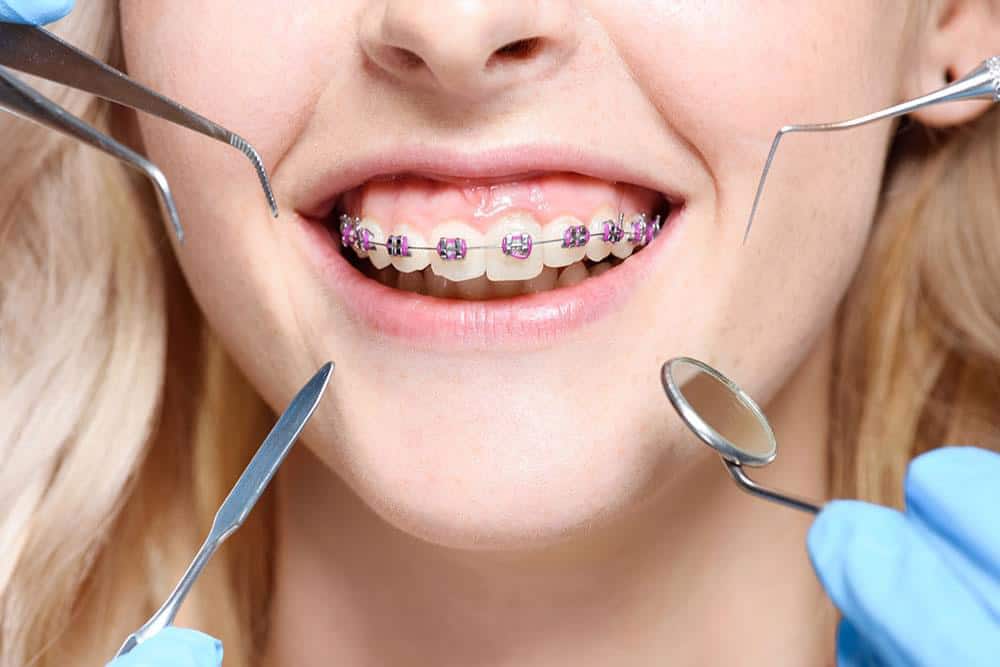
Traditional orthodontic solutions primarily consist of metal braces, which have been a cornerstone of orthodontic treatment for decades. These devices typically involve brackets, arch wires, and elastic bands, all working together to gradually shift teeth into their desired positions. While effective, traditional braces often come with certain drawbacks, including discomfort during adjustments and a noticeable appearance. Patients, particularly teenagers and adults, may feel self-conscious about wearing them, which has prompted the search for alternative options in recent years.
Despite their drawbacks, traditional braces have several advantages that make them a popular choice for many. They are highly effective for correcting complex dental issues, such as severe crowding, overbites, and underbites. Additionally, metal braces allow for precise control of tooth movement, enabling orthodontists to achieve remarkable results. The treatment duration can vary depending on the individual’s needs, but patients can typically expect to wear braces for 18 months to three years, during which they will have regular appointments for adjustments.
Another traditional solution includes lingual braces, which are similar to metal braces but are placed on the inner surface of the teeth. This makes them less visible and an appealing option for individuals seeking discreet treatment. While lingual braces share the same effectiveness as traditional braces, they can present unique challenges, such as increased difficulty in cleaning and potential discomfort against the tongue. Nonetheless, traditional orthodontic solutions remain a trusted choice for many, laying the foundation for the diverse range of options available today.
Modern advancements in orthodontic treatments
The advent of modern technology has revolutionised orthodontic treatments, leading to the development of innovative solutions that cater to patients’ diverse needs. One of the most notable advancements is the introduction of clear aligners, such as Invisalign, which have gained immense popularity in recent years. Invisalign available in London or across the South, they are customised, removable trays are designed to gradually shift teeth into alignment without the use of traditional brackets and wires.
Invisalign aligners are crafted using advanced 3D imaging technology, allowing for a precise fit tailored to each patient’s mouth. They are made from a smooth, comfortable plastic material that minimises the irritation often associated with metal braces. This makes them particularly appealing to adults and teens who wish to maintain their aesthetic appearance during treatment. One of the significant advantages of Invisalign is the flexibility it offers; patients can remove the aligners when eating, brushing, or flossing, promoting better oral hygiene throughout the treatment process.
Invisalign treatment typically begins with an initial consultation, where the orthodontist assesses the patient’s dental structure and discusses their goals. Once a treatment plan is established, a series of aligners are created, with each set designed to gradually move the teeth into the desired position. Patients usually switch to a new set of aligners every one to two weeks, depending on their specific treatment plan. Regular check-ups with the orthodontist help monitor progress and make any necessary adjustments.
Moreover, Invisalign technology allows for virtual tracking of treatment progress. Patients can view their treatment timeline and expected outcomes through user-friendly apps, providing a sense of involvement and motivation throughout the process. This interactive approach helps demystify orthodontic treatment, making it more accessible and understandable for patients.
Another significant advancement in orthodontics is the use of self-ligating braces. Unlike traditional braces, which require elastic bands to hold the arch wire in place, self-ligating braces utilise a specialised clip to secure the wire. This technology not only reduces friction but also decreases the number of adjustments needed, leading to shorter treatment times and increased comfort for patients. Self-ligating braces come in both metal and clear options, providing patients with versatility in their treatment.
Furthermore, digital technologies are playing a pivotal role in modern orthodontics. 3D imaging and computer-aided design have transformed treatment planning, allowing orthodontists to create precise simulations of tooth movement. This advanced technology enables practitioners to formulate tailored treatment plans that consider each patient’s unique dental structure. The use of digital scanning for impressions has also eliminated the discomfort associated with traditional moulds, enhancing the overall patient experience.
Choosing the right orthodontic solution for different generations
Selecting the appropriate orthodontic solution can be a daunting task, especially when considering the varying needs and preferences of different generations. For children and teenagers, early intervention is often recommended to address developing dental issues before they become more complex. Traditional braces remain a popular choice for younger patients, as they effectively correct a wide range of orthodontic problems. Furthermore, many orthodontic practices now offer colourful bands and themed brackets, making braces a fun experience for children.
For adolescents, clear aligners can provide a more aesthetically pleasing alternative. As teenagers become more conscious of their appearance, the ability to remove aligners for special occasions or meals can be a significant advantage. Clear aligners also allow for easier oral hygiene practices, as they can be taken out when brushing and flossing. Additionally, the gradual and discreet nature of aligners can help mitigate the social pressures often associated with wearing traditional braces during formative years.
When it comes to adults, the choice of orthodontic treatment in Hammersmith , London or anywhere across the UK often hinges on the desire for discretion and comfort. Many adults prefer clear aligners or lingual braces that are less noticeable than traditional options. Additionally, advances in accelerated orthodontics have made it possible for adults to achieve their desired results in a shorter time frame. Ultimately, the right orthodontic solution will depend on individual circumstances, aesthetic preferences, and treatment goals, making it essential for patients to consult with orthodontic professionals to explore the options that best suit their needs.
Benefits of Early Orthodontic Intervention
Early orthodontic intervention can significantly impact a child’s dental health and overall development. In the UK, it is generally recommended that children have their first orthodontic evaluation by the age of seven. At this stage, orthodontists can identify potential issues, such as overcrowding or misaligned bites, that may benefit from early treatment. Addressing these concerns early can help prevent more severe problems from developing in the future, ultimately reducing the need for extensive treatment later on.
Benefits of Early Orthodontic Intervention
- Guiding Growth: One of the primary advantages of early intervention is the ability to guide the growth of the jaw and teeth. By monitoring dental development, orthodontists can implement strategies that create adequate space for incoming teeth and correct alignment issues before they become more pronounced. This proactive approach can lead to a more harmonious dental structure and minimise the chances of requiring extraction of permanent teeth.
- Enhanced Self-Esteem: Early treatment can enhance self-esteem and social confidence, as children are less likely to experience bullying related to dental appearance. A positive self-image can have lasting effects on a child’s social interactions and overall well-being.
- Shorter Treatment Times: Another benefit of early orthodontic intervention is the potential for shorter overall treatment times. By addressing orthodontic issues at a young age, the severity of future corrections may be lessened, leading to potentially quicker and more straightforward treatments.
- Cost Savings: Additionally, parents can save on costs in the long run, as early intervention can prevent complications that require more extensive treatments later. Investing in early orthodontic care can have lasting positive effects on a child’s dental health, self-image, and confidence.
Orthodontic myths debunked
Despite the advances in orthodontics, several myths and misconceptions persist, often deterring individuals from seeking treatment. One common myth is that orthodontic treatment is solely for children and teenagers. In reality, adults can benefit from orthodontic solutions just as much as younger individuals. With the rise of discreet options like clear aligners and lingual braces, adults have more choices than ever before. Many adults are now taking advantage of these options to enhance their smiles and improve their dental health.
Another myth is that orthodontic treatment is always painful. While some discomfort may occur, particularly after adjustments or new aligner fittings, advancements in technology and techniques have significantly reduced discomfort levels. Today’s orthodontic appliances are designed with patient comfort in mind, and many individuals report minimal pain during their treatment journey. Additionally, regular check-ups with an orthodontist can help address any discomfort that arises, ensuring a smoother experience.
There is also a misconception that orthodontic treatments are purely cosmetic and do not contribute to oral health. However, misaligned teeth can lead to a host of dental issues, including difficulty in cleaning, increased risk of cavities, and jaw pain. By correcting these issues, orthodontic treatment can enhance overall oral health and function. It is important for patients to understand the true benefits of orthodontics, as dispelling these myths can encourage more individuals to embark on their journey to a confident smile.
Orthodontic care for adults
Adult orthodontic care has gained significant traction in recent years, as more individuals recognise the importance of achieving a confident smile at any age. Many adults seek orthodontic treatment not only for aesthetic reasons but also for health-related concerns. Misaligned teeth can lead to various complications, including gum disease, tooth wear, and jaw issues, making it essential for adults to consider orthodontic solutions as a means of improving their overall health and well-being.
One of the most appealing aspects of adult orthodontic care is the availability of discreet treatment options. Clear aligners and lingual braces have become increasingly popular among adults, allowing them to undergo treatment without drawing attention to their orthodontic appliances. This discretion is particularly important for professionals who may feel self-conscious about wearing traditional braces in the workplace. In addition to aesthetics, clear aligners offer the convenience of removability, making it easier for adults to maintain their oral hygiene routines.
Moreover, adult orthodontic treatments can often be completed in a shorter time frame than traditional methods, thanks to advancements in technology and accelerated treatment options. Many adults are pleasantly surprised to discover that they can achieve their desired results in as little as six months to a year. As a result, more adults are embracing their journeys to improved dental health and self-confidence, showing that it’s never too late to invest in a radiant smile.
Orthodontic innovations for children and teenagers
The field of orthodontics has witnessed remarkable innovations specifically designed to cater to the unique needs of children and teenagers. One such innovation is the introduction of customised appliances that address individual dental concerns while considering the developmental stage of the patient. These appliances can include expanders, retainers, and space maintainers, which help guide the growth of teeth and jaws in a way that promotes healthy dental development.
Moreover, the aesthetic appeal of orthodontic treatments has significantly evolved for younger patients. Many orthodontic practices now offer colourful bands and fun designs for traditional braces, allowing children and teenagers to personalise their orthodontic experience. This creative approach not only makes the treatment more enjoyable but also encourages young patients to embrace their orthodontic journey with excitement rather than apprehension.
In addition, advancements in technology have led to the development of 3D imaging and digital scanning, which have transformed the way orthodontic care is delivered. These technologies allow for precise treatment planning and improved accuracy in creating customised appliances. As a result, children and teenagers benefit from a more efficient and comfortable orthodontic experience, paving the way for healthier and more confident smiles.
Embracing confident smiles across all generations
The evolution of orthodontic solutions has truly transformed the landscape of dental care, empowering individuals of all ages to embrace their journeys towards confident smiles. With a variety of options available, from traditional braces to modern clear aligners, patients are now able to choose treatments that align with their preferences and lifestyles. The advancements in technology, combined with a deeper understanding of dental health, have made orthodontic care more accessible and effective than ever before.
As we have explored, the importance of dental confidence cannot be overstated. A healthy smile contributes not only to an individual’s self-esteem but also plays a pivotal role in their overall well-being. By addressing orthodontic concerns early and debunking common myths, we can encourage individuals to seek the care they need and deserve. Whether it’s children taking their first steps towards orthodontic treatment or adults investing in their smiles later in life, every journey is unique and valuable.
In conclusion, the world of orthodontics continues to evolve, bringing innovative solutions that cater to the diverse needs of all generations. Each smile tells a story, and with the right orthodontic care, those stories can be filled with confidence and positivity. Embracing the journey towards a radiant smile is not only about improving dental alignment but also about enhancing self-assurance and fostering connections with others. With the right support and guidance, everyone can be beaming with confidence, ready to face the world with a smile.