For many men, a beard is more than just facial hair. It serves as a defining feature of style, masculinity, and identity. However, not everyone is naturally able to grow a full, even beard. Sparse patches, inconsistent growth, or the complete absence of facial hair can leave individuals feeling dissatisfied with their grooming options.
Thanks to remarkable advancements in hair restoration, beard transplants have emerged as a life-changing solution. Once reserved for a select few, the procedure is now widely recognised and celebrated for its precision and effectiveness in achieving natural, fuller beards.
The following overview explains the science, process, and benefits behind beard transplants, providing clear information for those considering this transformative procedure.
What Is a Beard Transplant?
A beard transplant is a cosmetic procedure in which healthy hair follicles are relocated from one part of the body to the facial area. Using advanced techniques such as Follicular Unit Extraction (FUE), specialists can fill patchy areas, enhance beard density, or create a completely new beard for those unable to grow one naturally.
The outcomes are carefully planned to blend seamlessly with an individual’s facial features, resulting in a natural look and long-term confidence.
The Step-by-Step Process
The FUE beard transplant process involves several key stages, from initial planning to final recovery:
1. Initial Consultation and Assessment
The journey begins with a comprehensive consultation. During this session, a specialist examines factors such as existing facial hair, facial structure, and the quality of donor hair. Ideal candidates typically possess healthy hair follicles at the back or sides of the scalp, where hair tends to be denser and genetically more resilient.
A discussion of personal goals and expectations allows the doctor to consider aspects such as beard shape, density, and growth patterns, ensuring the final result aligns with the desired vision.
2. Custom Beard Design
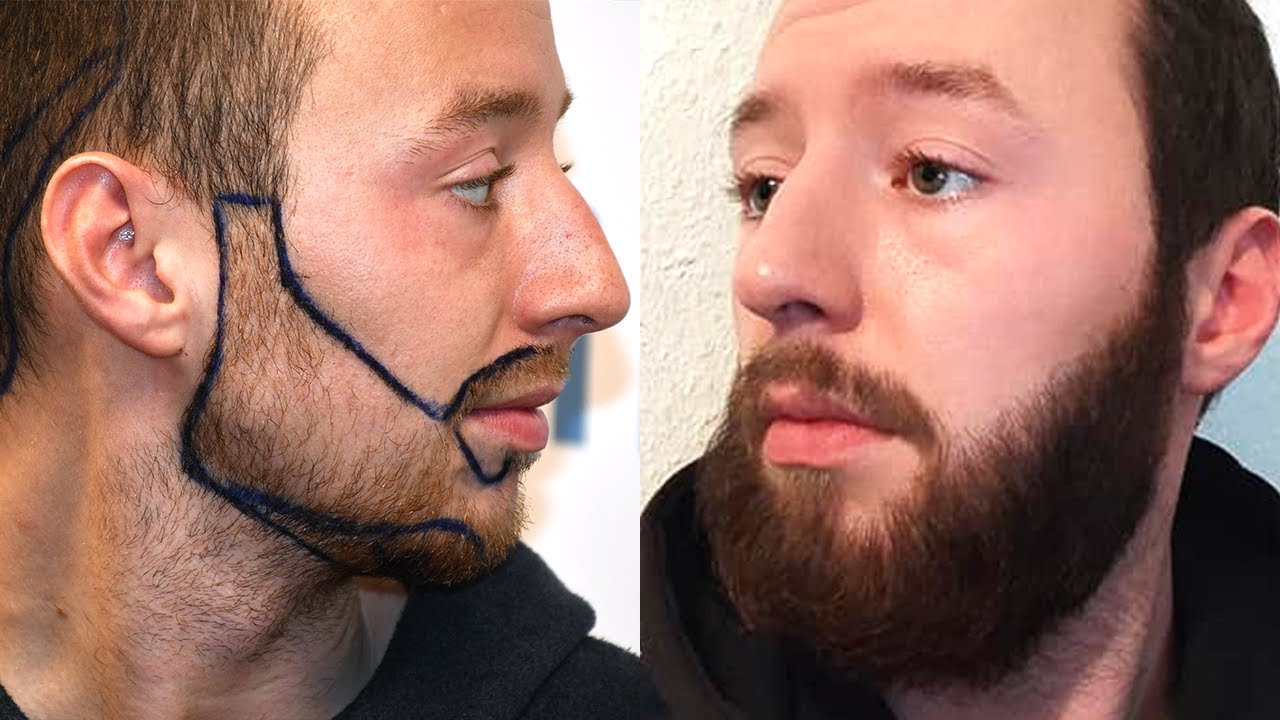
Everyone’s ideal beard is unique. Prior to the procedure, the specialist maps out the optimal beard shape, style, and coverage areas in accordance with the individual’s natural features. This careful design phase is crucial for achieving a harmonious and proportionate look that enhances the overall facial structure.
3. The FUE Extraction Method
The most common technique for beard transplants, Follicular Unit Extraction (FUE), involves the extraction of individual hair follicles from the donor area. Utilising a micro-punch tool, the specialist removes follicular units—typically containing one to four hairs—with precision.
Owing to FUE’s minimally invasive nature, scarring is virtually invisible, and recovery times are much shorter than with older strip-harvesting methods.
4. Graft Preparation and Placement
Each extracted hair follicle is carefully prepared and sorted to ensure suitability for beard grafting. The specialist then creates tiny, exact incisions in the recipient area, angling each follicle to emulate natural beard growth.
This step demands exceptional attention to detail, as expertly placed follicles are crucial for a natural and seamless appearance in the finished result.
5. Recovery and Hair Growth
The healing process usually takes one to two weeks. Initially, there may be some redness, minor swelling, and scabbing around the transplantation sites, all of which can be managed with appropriate aftercare guidance.
A normal part of the process involves the temporary loss of some transplanted hairs in the weeks following surgery. By the three-month mark, new growth typically appears, and within six to twelve months, the beard reaches its full and final results. At this stage, the new facial hair can be shaved, trimmed, and styled just like naturally grown beard hair.
Why Beard Transplants Work
The effectiveness of beard transplants lies in the unique qualities of healthy scalp hair. Follicles from the back or sides of the head are genetically resistant to thinning and maintain these properties even after transplantation to the face.
When hair follicles are extracted and implanted at precise angles, they integrate seamlessly into their new environment. The resulting beard is virtually indistinguishable from naturally grown facial hair.
Key Benefits of a Beard Transplant
Beard transplants are becoming an increasingly popular choice for those experiencing challenges with facial hair growth. The main benefits include:
1. Natural Appearance
When performed by skilled professionals, the outcomes closely mirror natural beard hair.
2. Customisable Style
Whether the goal is a rugged, fuller look or a finely sculpted shape, the procedure can be tailored to suit each individual’s face and preferences.
3. Permanent Solution
Unlike temporary methods, such as hair-growth serums or topical treatments, beard transplants offer a lasting result. The newly transplanted follicles will continue to grow throughout life.
4. Minimal Scarring
The advanced FUE method results in tiny, barely visible dots in the donor area, usually hidden by the surrounding hair.
5. Boosted Confidence
A fuller, well-shaped beard can significantly enhance personal appearance and self-assurance.
Common Questions About Beard Transplants
Many people have questions before committing to a beard transplant. Here are answers to some of the most frequently asked:
Does It Hurt?
The procedure is generally painless due to the use of local anaesthetic. Some mild discomfort may occur during recovery, but side effects are temporary.
Can the Transplanted Beard Be Shaved and Styled?
Yes. Once the healing process is complete, the relocated hairs may be shaved, trimmed, and styled as normal beard hair.
How Long Do Results Last?
Beard transplants are a permanent solution. The implanted hair follicles will continue to grow for life.
How Many Grafts Will Be Needed?
This is determined by individual goals. Filling sparse patches usually requires fewer grafts, while constructing a full beard may require several thousand. A detailed assessment by a specialist will determine the final number.
Is a Beard Transplant Suitable for Everyone?
Beard transplants are well suited to those with patchy growth, scarring that prevents hair development, or a genetic inability to grow a beard. They are also an ideal long-term option for anyone seeking defined, low-maintenance facial hair.
Choosing the Right Clinic
Achieving outstanding results depends on selecting an experienced and reputable clinic. At Vinci Hair Clinic, highly trained specialists deliver exceptional, natural-looking outcomes that align with each client’s facial structure and expectations.
Bespoke treatment plans are created for every individual, ensuring a seamless and confidence-boosting experience from start to finish. Whether enhancing an existing beard or filling patchy areas, Vinci Hair Clinic offers expert guidance throughout the entire process.
Taking the Next Step
Attaining the beard of one’s dreams is nearer than many might imagine. To discover more about comprehensive beard restoration services, prospective clients can book a free consultation with Vinci Hair Clinic. The expert team stands ready to help each person rediscover their confidence and redefine their look.