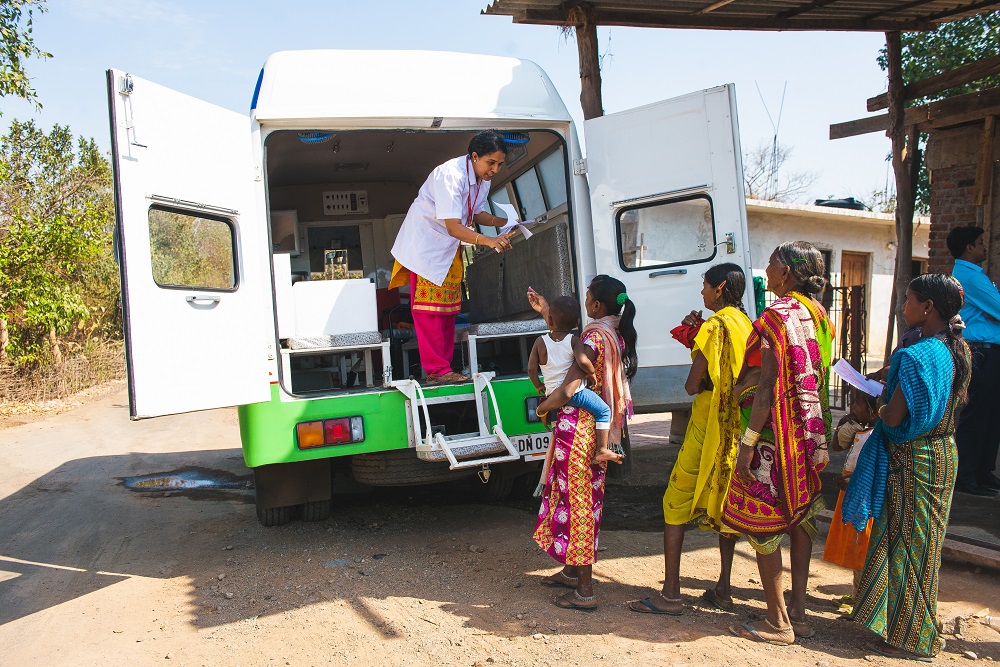
Access to quality healthcare remains a challenge for many communities across the UK, especially in rural, underserved, or high-demand areas. In response, the healthcare sector is increasingly turning to Mobile Medical Units (MMUs)—self-contained, road-transportable clinical spaces that bring essential services directly to where they’re needed most.
What Is a Mobile Medical Unit?
A mobile medical unit (MMU) is a purpose-built trailer or vehicle fitted out with clinical-grade facilities. These units can range from compact consultation rooms to fully equipped treatment suites. Designed to meet NHS and CQC standards, they offer a practical solution for providing diagnostics, screenings, vaccinations, dental services, blood donation, or general medical consultations outside of traditional healthcare settings.
Unlike pop-up tents or temporary marquees, MMUs provide a controlled, hygienic, and weather-proof environment, ensuring both patient safety and comfort. They’re especially valuable in situations where permanent buildings are unavailable, over capacity, or undergoing renovation.
Why Mobile Medical Units Are in High Demand
Several factors are driving demand for MMUs in the UK:
-
- Rural access gaps: In remote or countryside areas, MMUs can bridge the gap between patients and healthcare professionals, avoiding the need for long-distance travel.
- NHS backlog pressures: With hospital waiting lists at record highs, mobile units offer a fast-track solution for delivering services such as diagnostic scans or vaccinations.
- Public health initiatives: Local authorities and charities are using MMUs for targeted outreach, including flu jab clinics, COVID-19 testing, sexual health education, and smoking cessation support.
- Disaster and emergency response: In cases of natural disasters, pandemics, or community emergencies, MMUs serve as vital hubs for first aid, triage, and ongoing care.
Key Benefits for Healthcare Providers
- Flexibility: Mobile medical units can be deployed wherever they’re needed—city centres, car parks, schools, festivals, construction sites, and more. This makes them ideal for reaching diverse populations.
- Cost efficiency: Compared to constructing or leasing bricks-and-mortar clinics, MMUs are far more economical. They allow providers to scale services quickly without major infrastructure investments.
- Reduced footfall in permanent sites: MMUs can offload pressure from GP surgeries or hospital departments by diverting specific services—such as vaccinations or health checks—into mobile settings.
- Brand visibility and trust: For NHS trusts or private health providers, a professional-looking MMU branded with logos and NHS-compliant signage communicates reliability and care wherever it travels.
Use Cases Across the UK
Across England, Scotland, Wales, and Northern Ireland, MMUs are already being used in a variety of innovative ways:
- Dental buses operating in rural Wales deliver oral health checks to children in schools.
- Blood donation trailers in city centres encourage spontaneous donations during lunch hours.
- Vaccination units in retail parks help boost uptake of seasonal flu and COVID-19 jabs.
- GP outreach vans provide medical support to homeless populations in urban areas.
Each of these mobile services plays a vital role in widening access and improving health outcomes.
Choosing the Right Mobile Medical Unit
When sourcing a mobile medical unit, it’s crucial to work with a specialist provider that understands both trailer engineering and clinical requirements. Everything from insulation and lighting to accessibility ramps and medical waste storage must be considered during the design and build process.
Lynton Trailers, with decades of experience in specialist trailer manufacturing, offers fully customisable medical trailers that meet the highest healthcare standards. Their range includes consultation trailers, dental units, and vaccination hubs—all tailored for use by NHS trusts, charities, and private medical providers. You can explore their full offering on their website.