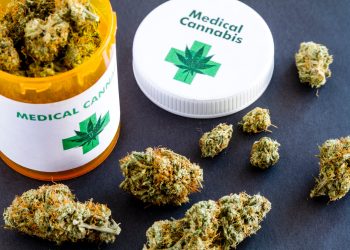
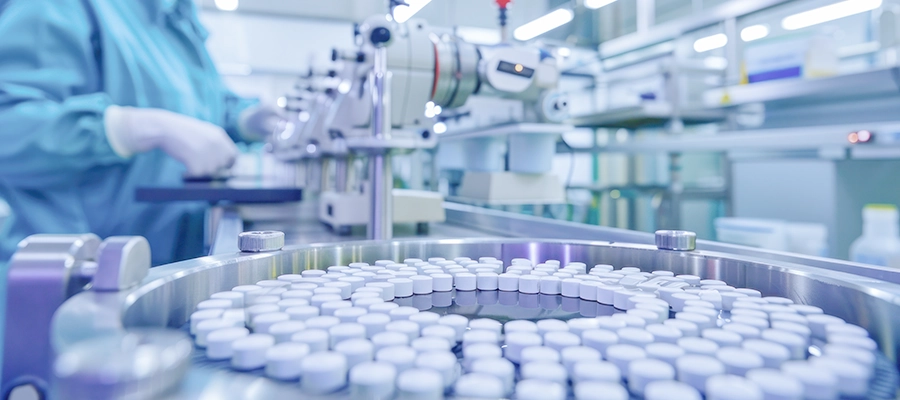
The pharmaceutical industry is a cornerstone of modern healthcare, shaping the way diseases are treated, managed, and prevented worldwide. Its evolution reflects a combination of scientific breakthroughs, regulatory frameworks, and global health demands. From small molecule drugs to cutting-edge biologics, pharmaceuticals not only improve life expectancy but also enhance quality of life for millions. Understanding this sector requires a deep dive into its history, current trends, challenges, and future innovations.
History and Evolution of Pharmaceuticals
Pharmaceutical development traces back centuries, with early medicine primarily relying on herbal remedies and natural compounds. Over time, scientific discovery revolutionised treatment:
- 19th Century: The isolation of active compounds like morphine and quinine laid the foundation for modern pharmacology.
- 20th Century: Mass production of antibiotics such as penicillin and the synthesis of vitamins marked a pivotal shift in healthcare.
- Late 20th Century: Biotechnology ushered in recombinant proteins and monoclonal antibodies, expanding treatment possibilities for previously untreatable conditions.
This historical trajectory highlights the industry’s adaptability and responsiveness to evolving medical needs. Pharmaceutical research today builds upon these foundations, incorporating advanced technology and data-driven approaches.
Key Sectors within the Pharmaceutical Industry
The pharmaceutical industry is diverse, comprising several interrelated sectors:
1. Prescription Medicines
Prescription medicines form the backbone of the industry. They are rigorously tested for efficacy and safety before market approval. Key aspects include:
- Chronic Disease Management: Medications for diabetes, hypertension, and cardiovascular disorders.
- Specialised Treatments: Oncology drugs, immunosuppressants, and rare disease therapies.
- Regulatory Oversight: Agencies such as the UK MHRA and the US FDA ensure rigorous clinical trial standards.
2. Over-the-Counter Medicines
These medicines are accessible without prescription, designed for minor ailments such as headaches, colds, or digestive issues. OTC products require clear labelling, dosage instructions, and safety compliance.
3. Biopharmaceuticals
Biopharmaceuticals, or biologics, involve complex molecules derived from living cells. They include monoclonal antibodies, vaccines, and gene therapies. Unlike small molecule drugs, biologics are more sensitive to manufacturing processes and require specialized storage and handling.
4. Generics and Biosimilars
Generics provide affordable alternatives to branded drugs after patent expiry, maintaining therapeutic equivalence. Biosimilars replicate biologics, offering cost-effective options while adhering to stringent regulatory guidelines.
Pharmaceutical Research and Development (R&D)
R&D is the lifeblood of the pharmaceutical industry. Companies invest billions annually to discover and develop new therapies. Key stages include:
- Drug Discovery: Utilising high-throughput screening, AI-assisted molecular modelling, and computational chemistry to identify promising compounds.
- Preclinical Testing: Evaluating toxicity, pharmacokinetics, and pharmacodynamics in vitro and in animal models.
- Clinical Trials: Conducted in three phases to assess safety, dosage, efficacy, and side effects in human participants.
- Regulatory Approval: Submission of extensive documentation to authorities, demonstrating clinical and manufacturing compliance.
R&D is increasingly leveraging artificial intelligence and machine learning to optimise compound selection, predict adverse reactions, and reduce development timelines.
Regulatory Environment
The pharmaceutical industry operates within a highly regulated framework to protect public health:
- Quality Control: Good Manufacturing Practices (GMP) ensure consistency, purity, and safety of pharmaceutical products.
- Post-Market Surveillance: Pharmacovigilance monitors adverse events and long-term drug safety.
- Global Standards: International harmonisation through ICH guidelines facilitates global drug approvals and consistent safety measures.
Compliance with these standards is critical, as regulatory breaches can result in product recalls, legal liabilities, and reputational damage.
Market Dynamics and Economic Impact
The global pharmaceutical market is a multi-trillion-dollar industry with diverse revenue streams:
- Growth Drivers: Ageing populations, increasing chronic disease prevalence, and emerging markets fuel demand.
- Investment Trends: Biotech partnerships, mergers, and acquisitions drive innovation and market consolidation.
- Economic Contribution: Pharmaceuticals contribute significantly to employment, GDP, and export revenues in major producing countries.
Additionally, pricing strategies, patent policies, and healthcare accessibility continue to shape market behaviour.
Innovations Shaping the Future of Pharmaceuticals
Technological and scientific innovations are transforming drug development and patient care:
1. Precision Medicine
Tailored therapies based on genetic, environmental, and lifestyle factors enhance treatment effectiveness. Precision medicine reduces adverse effects and improves patient outcomes.
2. Advanced Drug Delivery Systems
Nanotechnology, sustained-release formulations, and targeted delivery mechanisms improve drug efficacy and patient compliance.
3. Artificial Intelligence in Drug Development
AI accelerates molecular design, predicts clinical trial outcomes, and identifies repurposing opportunities for existing drugs.
4. Gene and Cell Therapies
CRISPR-based gene editing and stem cell therapies offer solutions for genetic disorders and regenerative medicine.
5. Vaccines and Immunotherapies
Rapid vaccine development, exemplified during global health emergencies, highlights the industry’s agility in responding to pandemics.
Challenges Facing the Pharmaceutical Industry
Despite its successes, the industry faces significant hurdles:
- Rising R&D Costs: Developing new drugs can exceed $2 billion per compound.
- Regulatory Complexity: Navigating diverse international regulations delays market entry.
- Drug Pricing and Access: Balancing profitability with affordability remains a global concern.
- Antimicrobial Resistance: Growing resistance challenges traditional treatment strategies.
- Supply Chain Vulnerabilities: Global manufacturing disruptions can impact drug availability.
Addressing these challenges requires innovation, collaboration, and sustainable policy frameworks.
Role of Pharmaceuticals in Public Health
Pharmaceuticals play an essential role in disease prevention, treatment, and health promotion:
- Vaccination Programmes: Reduce morbidity and mortality from infectious diseases.
- Chronic Disease Management: Medications improve quality of life and reduce complications.
- Emergency Response: Rapid development of therapeutics during health crises supports global stability.
By integrating pharmaceuticals with public health initiatives, healthcare systems achieve improved outcomes and economic efficiency.
Career Opportunities in the Pharmaceutical Sector
The pharmaceutical industry offers diverse career paths:
- Research Scientists: Focus on drug discovery and development.
- Regulatory Affairs Specialists: Ensure compliance with local and international standards.
- Clinical Research Associates: Conduct and monitor clinical trials.
- Pharmacovigilance Officers: Track and report adverse drug reactions.
- Manufacturing and Quality Control Professionals: Maintain product standards and operational efficiency.
The sector also encourages cross-disciplinary expertise, combining biotechnology, chemistry, data analytics, and healthcare knowledge.
Environmental and Ethical Considerations
Sustainable and ethical practices are increasingly important:
- Green Chemistry: Reducing waste and energy use during production.
- Ethical Trials: Ensuring informed consent and participant safety.
- Access and Equity: Addressing global disparities in drug availability and affordability.
Pharmaceutical companies are adopting corporate social responsibility initiatives to enhance public trust and environmental stewardship.
Future Outlook
The pharmaceutical industry is poised for continued growth, driven by scientific innovation, digital transformation, and global health demands. Key trends likely to shape the future include:
- Expansion of biologics and personalised therapies.
- Integration of AI and digital tools across R&D, manufacturing, and distribution.
- Emphasis on global collaboration to combat emerging diseases.
- Increasing focus on sustainability and ethical responsibility.
These developments underscore the industry’s central role in improving global health outcomes and shaping the future of medicine.
FAQ: Pharmaceutical Industry
Q1: What is the difference between biologics and traditional drugs?
Biologics are complex molecules derived from living cells, often used for targeted therapies, while traditional drugs are chemically synthesised small molecules.
Q2: How long does it take to develop a new drug?
Drug development typically spans 10–15 years, including discovery, preclinical testing, clinical trials, and regulatory approval.
Q3: What is the role of pharmacovigilance?
Pharmacovigilance monitors the safety of medicines after they are marketed, tracking adverse reactions to protect public health.
Q4: How are generic drugs different from brand-name drugs?
Generic drugs are therapeutically equivalent to branded drugs but usually cost less and are marketed after patent expiration.
Q5: What impact do pharmaceuticals have on public health?
Pharmaceuticals prevent and treat diseases, manage chronic conditions, and improve life expectancy and quality of life globally.
Q6: Are AI and machine learning transforming the pharmaceutical sector?
Yes, AI optimises drug discovery, predicts trial outcomes, and accelerates development, making processes more efficient and cost-effective.
Q7: What ethical challenges does the pharmaceutical industry face?
Challenges include equitable access, ethical clinical trials, environmental sustainability, and responsible marketing practices.
The pharmaceutical sector remains at the forefront of human health innovation, combining science, technology, and ethics to create transformative medical solutions. Its global impact continues to expand, shaping both the present and the future of healthcare.