Surgery is a cornerstone of modern medicine, encompassing a broad spectrum of procedures aimed at diagnosing, treating, and improving patient outcomes. The term “Surgery” is often associated with complex interventions, yet it extends from minimally invasive techniques to major operations, each grounded in evidence-based practice and meticulous planning. Understanding the multifaceted nature of surgery, its innovations, risks, and postoperative care is essential for patients, practitioners, and healthcare strategists alike.
The Foundations of Surgery
Surgery is not merely a set of technical procedures; it is a combination of precision, planning, and scientific knowledge.
The Purpose of Surgical Interventions
Surgery serves several critical purposes in healthcare:
- Curative: Removing diseased tissues, tumours, or organs to restore health.
- Palliative: Alleviating symptoms when full recovery is not possible, such as reducing pain in cancer patients.
- Reconstructive: Restoring form and function following trauma or congenital anomalies.
- Preventive: Intervening early to prevent progression of disease, such as prophylactic mastectomy in high-risk patients.
- Diagnostic: Providing tissue samples or internal visualisation to confirm disease presence or stage.
Types of Surgery
Surgical procedures can be categorised according to technique, urgency, or anatomical focus.
- Open Surgery: Traditional approach involving a large incision to access target tissues.
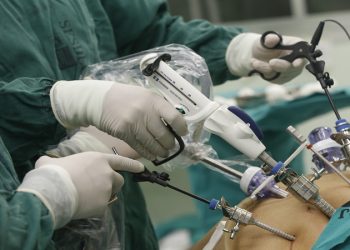
- Minimally Invasive Surgery: Includes laparoscopic, endoscopic, and robotic-assisted procedures, reducing recovery time and complications.
- Elective Surgery: Planned operations scheduled in advance, such as joint replacements or cosmetic procedures.
- Emergency Surgery: Urgent interventions to address life-threatening conditions like internal bleeding or appendicitis.
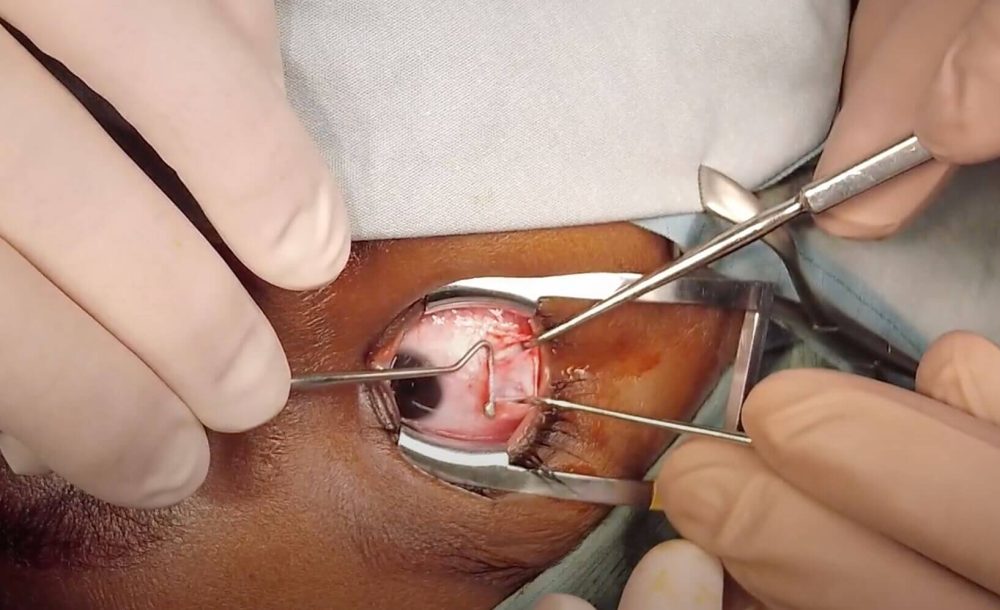
- Microsurgery: Utilises specialized instruments and magnification to repair delicate structures, including nerves and blood vessels.
- Laser Surgery: Employs concentrated light to remove or modify tissues, often used in ophthalmology and dermatology.
Preoperative Assessment and Preparation
Successful surgical outcomes begin with comprehensive preoperative planning. This process minimises risk and ensures patient safety.
Medical Evaluation
- History and Physical Examination: Identification of comorbidities such as diabetes, cardiovascular disease, or respiratory disorders.
- Laboratory and Imaging Studies: Blood tests, X-rays, MRI, or CT scans provide essential data for surgical planning.
- Risk Assessment: Tools like ASA (American Society of Anesthesiologists) score stratify patients according to operative risk.
Patient Optimisation
- Medication Review: Adjusting anticoagulants, antihypertensives, or immunosuppressants to reduce intraoperative complications.
- Nutritional Support: Addressing deficiencies to promote wound healing and recovery.
- Prehabilitation: Exercise and physiotherapy to improve postoperative mobility and outcomes.
Informed Consent
Ethically and legally, patients must understand:
- The nature and purpose of the procedure
- Potential risks and complications
- Alternatives, including non-surgical options
- Expected recovery timeline
This empowers patients and fosters a collaborative approach to care.
Surgical Techniques and Innovations
Modern surgery has evolved dramatically, integrating technology, robotics, and advanced imaging to enhance precision and outcomes.
Minimally Invasive Surgery
Minimally invasive surgery utilises small incisions, endoscopic cameras, and specialised instruments. Benefits include:
- Reduced postoperative pain and scarring
- Shorter hospital stays
- Lower risk of infection
- Faster return to daily activities
Common procedures include laparoscopic cholecystectomy, bariatric surgery, and arthroscopy.
Robotic-Assisted Surgery
Robotic platforms provide surgeons with:
- Enhanced dexterity and precision
- 3D high-definition visualization
- Fine motor control for delicate procedures
Applications range from urology and gynecology to cardiac surgery, offering improved outcomes for complex operations.
Image-Guided Surgery
Advanced imaging, including CT, MRI, and fluoroscopy, allows:
- Real-time navigation during procedures
- Accurate tumour localisation
- Reduced damage to surrounding tissues
This technology is particularly valuable in neurosurgery, orthopaedics, and vascular interventions.
Microsurgical Techniques
Microsurgery is essential for:
- Reconstructive procedures such as free flap transfers
- Nerve repair and regeneration
- Reattachment of severed digits or limbs
It relies on high-magnification instruments, precise suturing, and an intimate understanding of tissue anatomy.
Postoperative Care and Recovery
Postoperative management is crucial for ensuring successful outcomes and minimizing complications.
Immediate Postoperative Phase
- Monitoring Vital Signs: Heart rate, blood pressure, oxygen saturation, and urine output.
- Pain Management: Utilising multimodal analgesia, including opioids, NSAIDs, and regional blocks.
- Infection Prevention: Adhering to sterile techniques, wound care, and prophylactic antibiotics when indicated.
Rehabilitation and Long-Term Recovery
- Physical Therapy: Restoring mobility and strength, particularly after orthopaedic or cardiac surgeries.
- Nutritional Support: Ensuring adequate protein and micronutrients for tissue healing.
- Scar and Wound Care: Preventing hypertrophic scars and promoting cosmetic recovery.
- Psychological Support: Addressing anxiety, depression, or post-traumatic stress associated with major surgery.
Risk Management in Surgery
While surgery offers significant benefits, it inherently carries risks that must be understood and mitigated.
Common Complications
- Infection: Surgical site infections remain a leading concern; sterile technique and perioperative antibiotics are vital.
- Bleeding and Hematoma: Managed through meticulous hemostasis and transfusions if necessary.
- Anesthesia-Related Issues: Respiratory depression, allergic reactions, and cardiovascular instability require careful monitoring.
- Thrombosis: Risk of deep vein thrombosis or pulmonary embolism mitigated by early mobilisation and prophylactic anticoagulation.
Strategies to Reduce Risks
- Adherence to evidence-based surgical protocols
- Preoperative optimisation of patient health
- Use of minimally invasive and robotic-assisted techniques where feasible
- Continuous intraoperative monitoring and skilled postoperative care
Ethical and Legal Considerations
Surgery is inherently ethical and legal in its practice. Surgeons must adhere to:
- Informed Consent: Full disclosure of risks and benefits
- Patient Autonomy: Respecting patient choices regarding procedures
- Evidence-Based Practice: Using interventions supported by clinical data
- Continuous Professional Development: Staying updated with surgical innovations and standards
Emerging Trends in Surgery
- Tele-surgery: Remote-controlled robotic surgeries for rural or inaccessible locations.
- 3D Printing: Custom prosthetics, implants, and surgical models for precise planning.
- Artificial Intelligence: AI-assisted diagnostics and intraoperative guidance to improve accuracy and outcomes.
- Regenerative Surgery: Integration of stem cells and tissue engineering for organ repair and replacement.
FAQ: Advanced Insights on Surgery
Q1: How is minimally invasive surgery different from traditional open surgery?
Minimally invasive surgery uses small incisions, specialised instruments, and cameras to perform procedures, resulting in less pain, faster recovery, and reduced risk of infection compared to open surgery.
Q2: What factors determine whether robotic-assisted surgery is appropriate?
Factors include procedure complexity, surgeon expertise, patient health status, and the availability of technology. Robotic assistance is particularly beneficial for delicate or precision-dependent operations.
Q3: How can patients optimise their recovery after surgery?
Recovery is enhanced through adherence to postoperative instructions, early mobilization, nutritional support, physical therapy, and psychological support when needed.
Q4: Are all surgeries risky?
While all surgeries carry some risk, comprehensive preoperative assessment, advanced surgical techniques, and careful postoperative care significantly reduce complications.
Q5: How does preoperative preparation improve surgical outcomes?
Optimising comorbidities, adjusting medications, providing nutritional support, and educating patients reduces intraoperative and postoperative risks, improves healing, and enhances overall outcomes.
Q6: What role does technology play in modern surgery?
Technology facilitates precision, reduces complications, enables minimally invasive approaches, and allows surgeons to access previously inoperable areas, improving patient outcomes.
Q7: Can surgery be preventive rather than curative?
Yes. Preventive surgeries, such as prophylactic organ removal in high-risk patients or corrective procedures for congenital anomalies, aim to reduce the likelihood of severe disease in the future.
Surgery is a dynamic field that combines science, skill, and technology to transform patient health. By integrating advanced surgical techniques, meticulous preoperative preparation, and comprehensive postoperative care, healthcare providers can deliver safer, more effective interventions that improve quality of life and extend longevity. As innovations like robotics, AI, and regenerative medicine continue to evolve, the future of surgery promises increasingly personalised and precise care, reshaping the landscape of modern medicine.