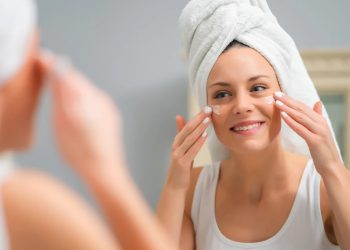

Skin care is far more than a routine; it is an intricate combination of biology, environmental awareness, and targeted practices that collectively influence skin health, appearance, and longevity. The keyword “Skin Care” embodies not just the cosmetic perspective but also a scientific and medical approach to maintaining the skin’s integrity, combating premature ageing, and addressing dermatological concerns. This article delves deep into evidence-backed methods, modern innovations, and expert practices that make a tangible difference in skin health.
Understanding the Skin: Structure and Function
Before exploring effective skin care strategies, it is crucial to understand the skin’s complex structure and its essential functions.
The Layers of the Skin
- Epidermis: The outermost layer acts as a barrier against environmental hazards, pathogens, and moisture loss. It contains keratinocytes, melanocytes, and Langerhans cells that play roles in protection, pigmentation, and immune response.
- Dermis: Located beneath the epidermis, the dermis supports the skin structurally and contains collagen, elastin fibers, blood vessels, and nerve endings. It is responsible for skin elasticity and resilience.
- Hypodermis: Also known as the subcutaneous layer, it primarily consists of fat and connective tissue, providing insulation, cushioning, and energy storage.
Skin Functions
- Barrier Protection: Prevents microbial invasion and regulates moisture loss.
- Thermoregulation: Through sweat glands and blood flow regulation.
- Sensory Reception: Enables the perception of touch, temperature, and pain.
- Immunological Role: Acts as the first line of defense against infections and foreign agents.
Understanding these fundamentals helps in tailoring skin care practices to support natural physiology rather than counteracting it.
Advanced Skin Care Practices
Effective skin care combines preventive, corrective, and maintenance strategies. The following sections cover evidence-based approaches to optimise skin health.
1. Cleansing and Exfoliation
Cleansing is the foundation of skin care. Removing dirt, excess sebum, and environmental pollutants prevents clogged pores, acne formation, and premature ageing. Choose gentle, pH-balanced cleansers that preserve the skin’s natural barrier.
Exfoliation involves removing dead skin cells to promote cellular turnover. There are two primary types:
- Mechanical Exfoliation: Using scrubs or brushes; effective but should be used sparingly to avoid microtears.
- Chemical Exfoliation: Employing acids like glycolic, lactic, or salicylic acid for controlled removal of dead cells; suitable for acne-prone or dull skin.
Over-exfoliation can damage the epidermis, leading to sensitivity and barrier dysfunction. Moderation and skin type-specific adjustments are key.
2. Hydration and Moisturisation
Proper hydration maintains skin plumpness and reduces fine lines. Hydration is achieved both internally, by adequate water intake, and externally, through moisturisers containing humectants, emollients, and occlusives.
- Humectants (e.g., hyaluronic acid, glycerin) attract water to the skin.
- Emollients (e.g., squalane, ceramides) smooth and fill gaps between skin cells.
- Occlusives (e.g., petrolatum, dimethicone) form a barrier to lock in moisture.
Layering these ingredients effectively can optimise skin hydration and barrier repair, particularly for dry or compromised skin types.
3. Targeted Treatments
Modern skin care often integrates active ingredients tailored to specific concerns:
- Anti-Aging: Retinoids stimulate collagen production, improve elasticity, and reduce fine lines. Peptides and growth factors also contribute to cellular repair.
- Pigmentation Control: Vitamin C, niacinamide, and alpha arbutin reduce hyperpigmentation and brighten the skin.
- Acne Management: Benzoyl peroxide, salicylic acid, and adapalene control sebum production, reduce inflammation, and prevent bacterial overgrowth.
- Sensitivity & Redness: Azelaic acid and centella asiatica extracts calm inflammation and support the skin barrier.
Consistency and proper concentration are critical to achieve results without compromising skin integrity.
4. Sun Protection: The Cornerstone of Skin Health
Daily use of broad-spectrum sunscreens with SPF 30 or higher prevents UV-induced damage, premature ageing, pigmentation, and skin cancers. Apply sunscreen 15–30 minutes before sun exposure and reapply every two hours during prolonged outdoor activity. Physical sunscreens (zinc oxide, titanium dioxide) and chemical sunscreens (avobenzone, octocrylene) each offer benefits; combinations can enhance protection and cosmetic appeal.
5. Lifestyle Factors
Skin health extends beyond topical treatments. Key lifestyle considerations include:
- Nutrition: A diet rich in antioxidants, essential fatty acids, vitamins A, C, and E supports collagen synthesis and reduces oxidative stress.
- Sleep: Adequate rest allows cellular repair and reduces cortisol-mediated damage.
- Stress Management: Chronic stress triggers inflammatory pathways, exacerbating acne and eczema.
- Environmental Protection: Pollution and blue light exposure accelerate ageing; antioxidants and barrier-repairing creams mitigate these effects.
6. Technological Advances in Skin Care
Emerging treatments integrate science and technology for more effective skin health solutions:
- Laser and Light Therapies: Fractional lasers stimulate collagen, while IPL targets pigmentation and vascular issues.
- Microneedling: Promotes collagen synthesis and enhances active ingredient absorption.
- Topical Peptide Delivery Systems: Improve penetration of anti-aging peptides and antioxidants.
- Probiotic Skincare: Supports the skin microbiome, enhancing barrier function and reducing inflammation.
These interventions should be personalised and administered under professional guidance for optimal outcomes.
Common Skin Care Myths Debunked
- Myth: More cleansing leads to clearer skin.
Fact: Over-cleansing disrupts the barrier and can increase breakouts. - Myth: Natural oils always moisturise effectively.
Fact: Oils may provide occlusion but do not hydrate; they should complement humectants and emollients. - Myth: Sunscreen is only necessary on sunny days.
Fact: UV damage occurs year-round; daily protection is essential.
Debunking such myths ensures a rational, evidence-based approach to skin care.
Integrating a Personalized Skin Care Routine
A comprehensive skin care regimen combines cleansing, hydration, treatment, and protection:
- Morning Routine: Gentle cleanser → hydrating serum → antioxidant treatment (Vitamin C) → sunscreen.
- Evening Routine: Cleanser → active treatment (retinoid or exfoliant) → moisturizer → barrier repair cream if needed.
- Weekly Treatments: Masking, chemical peels, or exfoliation depending on skin type and concern.
Tracking skin response over time allows adjustments for maximum efficacy and minimal irritation.
Skin Care Across Different Ages
- 20s: Focus on prevention, hydration, and mild exfoliation.
- 30s: Introduce antioxidant serums, targeted pigmentation treatment, and early anti-aging actives.
- 40s and Beyond: Prioritise collagen-stimulating treatments, barrier repair, and comprehensive sun protection.
Tailoring skin care to age-related changes ensures longevity and resilience.
FAQ: Advanced Skin Care Insights
Q1: How do I know which active ingredients are suitable for my skin type?
Consider your skin’s needs—oily skin benefits from salicylic acid and niacinamide, dry skin responds well to hyaluronic acid and ceramides, sensitive skin requires minimal irritants and soothing agents.
Q2: Can diet significantly affect skin appearance?
Yes. Diets rich in antioxidants, omega-3 fatty acids, and vitamins support cellular repair, reduce inflammation, and protect against environmental stressors.
Q3: How often should I update my skin care routine?
Routinely evaluate your skin every 3–6 months, especially after seasonal changes or lifestyle shifts, and adjust products to accommodate evolving skin needs.
Q4: Are natural or DIY skin care remedies effective?
Some natural ingredients offer benefits, such as aloe vera or green tea, but DIY remedies may cause irritation or imbalance if used improperly. Evidence-backed formulations are recommended for consistent results.
Q5: Can stress really cause skin issues like acne or eczema?
Absolutely. Stress triggers cortisol release, which can increase oil production, inflammation, and exacerbate conditions like acne, eczema, and psoriasis.
Q6: Are professional treatments necessary for all skin concerns?
Not always. Daily evidence-based routines can manage most issues, but persistent pigmentation, deep wrinkles, or chronic acne may require professional interventions like laser therapy or chemical peels.
Q7: How can I prevent premature aging effectively?
A combination of daily sun protection, antioxidant use, targeted anti-aging actives, lifestyle adjustments, and avoiding smoking or excessive alcohol contributes significantly to delaying aging signs.
Skin care is an evolving science that combines biological understanding, evidence-based treatments, and lifestyle optimisation. By adopting a comprehensive, personalised approach, individuals can achieve healthier, more resilient, and radiant skin over the long term. The integration of preventive strategies, active treatments, and technological innovations ensures that skin care remains not just a routine but a meaningful investment in overall well-being.