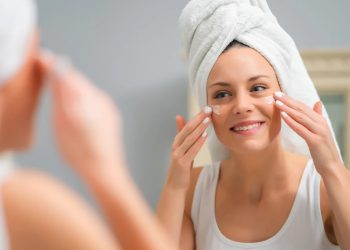

Achieving healthy, glowing skin is a goal for many, but it requires more than just using the right products. Skin care is a combination of effective treatments, a consistent routine, and the right lifestyle choices. The key to radiant skin lies in understanding your skin type, addressing your specific needs, and incorporating treatments that nourish, repair, and protect your skin. In this article, we’ll explore some of the most effective skin care treatments that can help you achieve and maintain glowing, healthy skin.
1. Proper Cleansing: The Foundation of Healthy Skin
A proper cleansing routine is the first and most important step in any skin care regimen. Cleansing helps remove dirt, excess oil, and impurities that accumulate on the skin throughout the day. When these substances are left on the skin, they can clog pores, leading to breakouts and dullness. Using a gentle, non-stripping cleanser suited to your skin type is essential for maintaining a healthy complexion.
For dry skin, opt for a creamy or hydrating cleanser that helps retain moisture. For oily or acne-prone skin, a foaming or gel cleanser with salicylic acid can help manage excess oil and prevent clogged pores. Cleansing should be done twice daily – once in the morning to remove overnight buildup and once at night to wash away makeup, sunscreen, and pollutants.
2. Exfoliation: Renewing Your Skin
Exfoliation is an essential treatment for achieving glowing skin, as it helps to remove dead skin cells that can make your complexion appear dull. Regular exfoliation allows fresh, healthy skin to emerge, leading to a brighter, more radiant appearance. Exfoliating also improves the absorption of skincare products, allowing them to penetrate deeper into the skin.
There are two main types of exfoliation: physical and chemical. Physical exfoliants use small particles to scrub away dead skin, while chemical exfoliants contain acids like alpha-hydroxy acid (AHA) or beta-hydroxy acid (BHA) that dissolve dead skin cells. Chemical exfoliants tend to be gentler and more effective for sensitive or acne-prone skin. Exfoliating once or twice a week is usually sufficient, as over-exfoliating can irritate the skin.
3. Hydration: The Secret to a Luminous Glow
Keeping your skin well-hydrated is key to achieving that coveted glowing complexion. Dehydrated skin can look dry, flaky, and dull. To maintain healthy skin, it’s important to apply a good moisturizer that locks in moisture and helps your skin retain its natural hydration. Look for moisturizers that contain humectants like hyaluronic acid, glycerin, or aloe vera, as they draw moisture into the skin and keep it hydrated throughout the day.
For dry skin, consider using a richer, more emollient moisturizer that provides a barrier to prevent moisture loss. Those with oily skin may benefit from a lightweight, oil-free gel moisturizer that hydrates without feeling greasy. Additionally, drinking plenty of water throughout the day supports your skin’s hydration levels from the inside out.
4. Sun Protection: Shielding Your Skin from Harmful UV Rays
One of the most important treatments for maintaining healthy, glowing skin is protecting it from the sun’s harmful ultraviolet (UV) rays. Prolonged exposure to UV radiation can lead to premature aging, sunburn, and an increased risk of skin cancer. To safeguard your skin, always apply a broad-spectrum sunscreen with an SPF of at least 30, even on cloudy days or when staying indoors.
Sunscreen should be applied generously and reapplied every two hours if you’re spending extended time outdoors. Don’t forget to protect areas like your ears, neck, and hands, which are often overlooked but can show signs of sun damage. In addition to sunscreen, wearing protective clothing, seeking shade, and avoiding the sun during peak hours (10 a.m. to 4 p.m.) can further reduce your risk of sun damage.
5. Facial Masks: Targeted Skin Care Treatment
Facial masks are an excellent way to target specific skin concerns, whether you’re looking for deep hydration, brightening, or purifying. There are various types of face masks to address different needs, from clay masks that draw out impurities and excess oil to hydrating masks that replenish moisture.
For those with dry or dull skin, sheet masks infused with nourishing ingredients like vitamin C, collagen, or hyaluronic acid can provide an instant glow. Clay or charcoal masks are ideal for oily or acne-prone skin, as they help absorb excess oil and unclog pores. Using a mask once a week can give your skin an extra boost and help address specific concerns in a short amount of time.
6. Retinoids: A Powerful Anti-Aging Treatment
Retinoids, including retinol, are some of the most effective ingredients in skin care for promoting youthful skin. Retinoids work by accelerating skin cell turnover, which can reduce the appearance of fine lines, wrinkles, and age spots. They also help prevent clogged pores, making them an excellent treatment for acne.
For beginners, it’s important to start with a lower concentration of retinol to avoid irritation. Gradually increase the strength as your skin becomes accustomed to the ingredient. While retinoids are powerful, they can increase the skin’s sensitivity to the sun, so be sure to use them at night and apply sunscreen during the day.
7. Vitamin C: Brightening and Protecting Your Skin
Vitamin C is a potent antioxidant that can brighten the skin, reduce hyperpigmentation, and protect against environmental damage caused by free radicals. It’s a vital component for promoting collagen production, which helps keep skin firm and youthful. Regular use of vitamin C serums or creams can result in brighter skin and a more even skin tone.
When choosing a vitamin C product, look for one with a stable form of vitamin C, such as ascorbic acid or sodium ascorbyl phosphate, as these are more effective in delivering results. Vitamin C works best when applied in the morning, as it helps protect the skin from the damaging effects of UV exposure during the day.
8. Professional Treatments: Boosting Skin Health with Expert Care
For those looking for more intensive treatments, professional skin care options can help address specific concerns and boost overall skin health. Chemical peels, microdermabrasion, and laser treatments are commonly used to treat acne, pigmentation, and signs of aging. These treatments work by removing layers of damaged skin, stimulating collagen production, and improving skin texture.
However, it’s essential to consult with a licensed dermatologist or esthetician before undergoing any professional treatments to ensure they are appropriate for your skin type and concerns. These treatments can provide noticeable results but should be complemented with a good at-home skincare routine.
9. Healthy Diet and Lifestyle: Supporting Your Skin from the Inside Out
Healthy, glowing skin isn’t just about the products you use on your face; it’s also about what you put into your body. A balanced diet rich in fruits, vegetables, lean proteins, and healthy fats provides essential nutrients that promote skin health. Omega-3 fatty acids, found in foods like fish, nuts, and seeds, help keep the skin hydrated and reduce inflammation.
Additionally, getting enough sleep, managing stress, and avoiding smoking and excessive alcohol consumption are key factors in maintaining skin health. A healthy lifestyle supports your skin’s natural processes, allowing it to look its best.
Final Thoughts
Achieving healthy, glowing skin requires a multi-faceted approach that combines the right treatments, consistent care, and healthy lifestyle choices. Whether you’re focusing on hydration, exfoliation, or sun protection, the right combination of skincare treatments can address your unique needs and give you a radiant complexion. By incorporating these effective treatments into your routine, you can nurture your skin and achieve the healthy glow you desire.