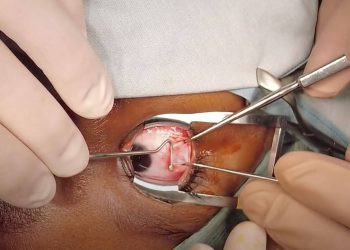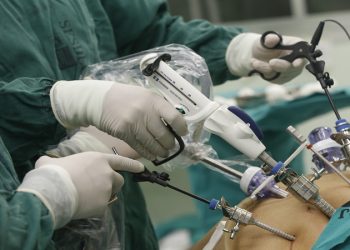
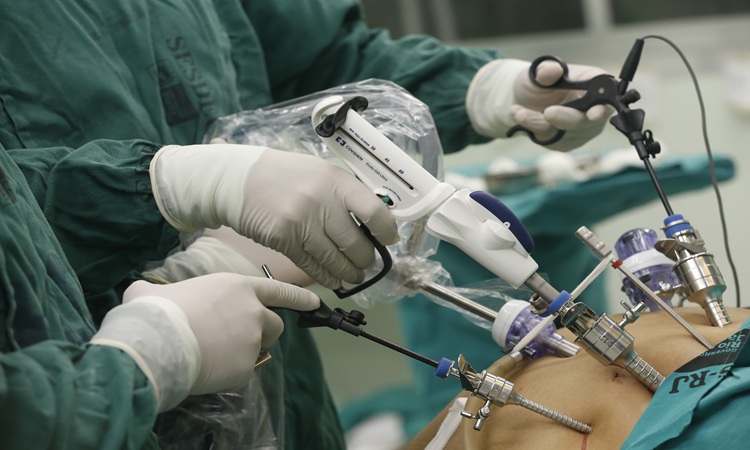
Minimally invasive surgery has transformed modern healthcare by reducing physical trauma while maintaining effective treatment outcomes. Using small incisions, specialized instruments, and advanced imaging, these procedures allow surgeons to perform complex operations with greater precision and less disruption to the body.
What Is Minimally Invasive Surgery?
Minimally invasive surgery (MIS) refers to techniques that avoid large surgical cuts. Instead, surgeons operate through tiny incisions, often guided by cameras that project magnified images onto screens.
Common examples include:
-
Laparoscopic surgery
-
Endoscopic procedures
-
Arthroscopic surgery
-
Robot-assisted minimally invasive surgery
These methods are now widely used in abdominal, orthopedic, gynecological, and urological procedures.
Key Benefits of Minimally Invasive Surgery
The growing preference for MIS is driven by several clear advantages for patients and healthcare providers.
Reduced Surgical Trauma
Smaller incisions mean:
-
Less damage to muscles and tissues
-
Lower stress on the body
-
Improved cosmetic outcomes
Faster Recovery Time
Patients often experience:
-
Shorter hospital stays
-
Quicker return to daily activities
-
Reduced need for long-term rehabilitation
Lower Risk of Complications
Minimally invasive approaches are associated with:
-
Decreased infection rates
-
Less blood loss
-
Fewer postoperative complications
Less Postoperative Pain
Because tissue disruption is minimal:
-
Pain levels are generally lower
-
Reduced dependence on pain medications
-
Improved overall comfort during recovery
Improved Surgical Precision
Advanced cameras and instruments provide:
-
Enhanced visualization
-
Better accuracy in delicate procedures
-
Greater control for surgeons
Limitations of Minimally Invasive Surgery
Despite its advantages, minimally invasive surgery is not suitable for every patient or condition.
Limited Applicability
MIS may not be recommended for:
-
Extensive internal damage
-
Advanced-stage cancers
-
Severe infections or trauma
-
Patients with multiple prior surgeries causing scar tissue
High Equipment and Training Costs
Minimally invasive systems require:
-
Specialized tools and imaging equipment
-
Highly trained surgical teams
-
Ongoing maintenance and upgrades
These factors can increase healthcare costs in certain settings.
Longer Operating Time in Some Cases
Especially for complex procedures:
-
Surgery duration may be longer
-
Learning curve can affect efficiency
-
Surgeon experience plays a critical role
Technical Challenges
Operating through small access points can:
-
Limit tactile feedback
-
Require advanced hand-eye coordination
-
Increase difficulty in unexpected complications
Comparison With Traditional Open Surgery
| Aspect | Minimally Invasive Surgery | Open Surgery |
|---|---|---|
| Incision Size | Very small | Large |
| Recovery Time | Faster | Slower |
| Pain Level | Lower | Higher |
| Hospital Stay | Shorter | Longer |
| Surgical Access | Limited field | Direct visualization |
Both approaches remain essential, and the choice depends on medical necessity rather than preference alone.
Who Is an Ideal Candidate?
Minimally invasive surgery may be suitable for patients who:
-
Are in stable overall health
-
Have early-stage conditions
-
Require precision-focused procedures
-
Can tolerate anesthesia safely
Final eligibility is always determined after thorough medical evaluation.
The Future of Minimally Invasive Surgery
Continuous innovation is expanding the capabilities of MIS through:
-
Enhanced robotic systems
-
Real-time imaging and navigation
-
Artificial intelligence-assisted decision-making
-
Smaller, more flexible surgical instruments
These advancements aim to reduce limitations while maximizing patient safety and outcomes.
Frequently Asked Questions (FAQ)
1. Is minimally invasive surgery safer than open surgery?
In many cases, it carries fewer risks, but safety depends on the condition, surgeon expertise, and patient health.
2. Does minimally invasive surgery always mean no scars?
Small scars may still occur, but they are typically less noticeable than those from open surgery.
3. Can minimally invasive surgery replace all traditional surgeries?
No. Some conditions require open surgery for full access and effective treatment.
4. How long does recovery usually take?
Recovery can range from a few days to a few weeks, depending on the procedure.
5. Is minimally invasive surgery more expensive?
Equipment costs may be higher, but shorter hospital stays can offset overall expenses.
6. Are there age limits for minimally invasive surgery?
Age alone is not a limitation; overall health and surgical risk matter more.
7. How do surgeons decide between minimally invasive and open surgery?
The decision is based on diagnosis, complexity, patient safety, and expected outcomes.