
Smoking doesn’t just affect your lungs or heart—it takes a serious toll on your mouth, teeth, and gums. Many of the earliest and most visible effects of tobacco use appear in the oral cavity, often long before other health issues are diagnosed. Understanding how smoking harms your oral health can help you recognize warning signs early and take steps to protect your smile.
The Link Between Smoking and Oral Health
Your mouth is the first point of contact for cigarette smoke. The heat, chemicals, and toxins in tobacco products immediately begin to disrupt the natural balance of saliva, bacteria, and soft tissues. Over time, this creates an environment where infections, decay, and chronic disease can thrive.
Tooth Discoloration and Persistent Bad Breath
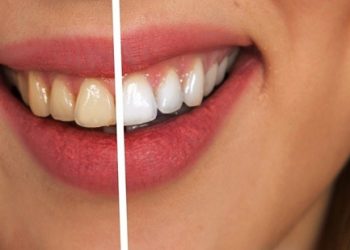
One of the most noticeable effects of smoking is tooth staining. Nicotine and tar cling to enamel, causing yellow or brown discoloration that regular brushing can’t fully remove.
Smoking also contributes to chronic bad breath (halitosis) by:
-
Reducing saliva flow, which normally washes away odor-causing bacteria
-
Leaving chemical residues that linger in the mouth
-
Encouraging bacterial buildup on the tongue and gums
Increased Risk of Gum Disease
Smoking is a major risk factor for gum (periodontal) disease. It weakens the immune response, making it harder for your body to fight off bacterial infections in the gums.
Common smoking-related gum issues include:
-
Swollen or bleeding gums
-
Gum recession that exposes tooth roots
-
Deep pockets between teeth and gums
-
Eventual tooth loss in severe cases
Smokers are also less likely to notice early symptoms because nicotine restricts blood flow, which can mask bleeding and inflammation.
Slower Healing and Higher Infection Risk
Tobacco use reduces oxygen levels in the bloodstream, slowing down the body’s natural healing process. This is especially problematic after dental procedures such as extractions, implants, or gum surgery.
As a result:
-
Wounds heal more slowly
-
Infections are more likely to develop
-
Dental treatments have a lower success rate
Higher Risk of Oral Cancer
Smoking significantly increases the risk of oral cancer, affecting areas such as the lips, tongue, cheeks, and throat. Early signs are often painless and easy to overlook.
Warning symptoms may include:
-
Persistent mouth sores
-
Lumps or thickened areas in the mouth
-
Difficulty chewing or swallowing
-
Unexplained numbness or pain
Early detection is critical, but smoking raises both the likelihood of developing oral cancer and the chance of delayed diagnosis.
Altered Taste and Smell
Long-term smoking dulls the senses of taste and smell. Damage to taste buds and oral nerves can make food less enjoyable and reduce appetite, which may indirectly affect nutrition and overall health.
Impact on Dental Implants and Restorations
Smokers face a higher failure rate with dental implants, crowns, and bridges. Reduced blood flow and impaired healing can prevent proper integration with bone and gum tissue, leading to complications or implant loss.
Can Oral Damage from Smoking Be Reversed?
Some effects, like surface stains and mild inflammation, may improve after quitting smoking and maintaining good oral hygiene. However, advanced gum disease, tooth loss, and cancer-related damage are often permanent. The sooner smoking stops, the greater the chance of recovery and prevention.
Protecting Your Oral Health as a Smoker or Former Smoker
If you smoke or have smoked in the past, you can reduce damage by:
-
Brushing twice daily with fluoride toothpaste
-
Flossing daily to remove plaque buildup
-
Drinking water frequently to combat dry mouth
-
Scheduling regular dental checkups and cleanings
-
Seeking professional help to quit smoking
Frequently Asked Questions (FAQs)
1. Does smoking affect oral health even if I brush regularly?
Yes. Good oral hygiene helps, but it cannot fully counteract the harmful effects of tobacco on gums, tissues, and blood flow.
2. Are e-cigarettes safer for oral health than traditional cigarettes?
While they may reduce some risks, e-cigarettes still expose the mouth to chemicals that can irritate gums, dry the mouth, and alter oral bacteria.
3. How long after quitting smoking does oral health improve?
Improvements in circulation and healing can begin within weeks, but full benefits develop gradually over months and years.
4. Can dentists tell if someone smokes?
Often, yes. Staining patterns, gum condition, delayed healing, and tissue changes can indicate tobacco use.
5. Does smoking cause cavities directly?
Smoking increases cavity risk indirectly by promoting dry mouth, plaque buildup, and gum recession that exposes vulnerable tooth surfaces.
6. Is occasional smoking still harmful to oral health?
Even light or occasional smoking can negatively affect gum health and increase long-term risks.
7. Should smokers visit the dentist more often?
Yes. More frequent dental visits help detect problems early and manage the higher risks associated with smoking.