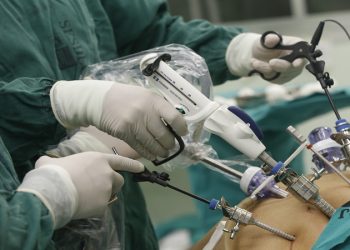

Early diagnosis is one of the most powerful tools in modern healthcare. Detecting a disease at its initial stage often makes the difference between a manageable condition and a life-threatening crisis. When illnesses are identified early, treatment can begin sooner, outcomes improve, and lives are saved.
This article explores why early diagnosis matters, how it works, and the real-world impact it has on survival and quality of life.
Understanding Early Diagnosis
Early diagnosis refers to identifying a disease before symptoms become severe or complications develop. It often happens through routine screenings, preventive checkups, or timely medical attention when early warning signs appear.
Rather than reacting to advanced illness, early diagnosis focuses on proactive healthcare, allowing doctors to intervene when treatments are most effective.
Why Timing Is Critical in Disease Detection
Many serious diseases progress silently. Conditions such as cancer, heart disease, diabetes, and infections may cause little or no discomfort in their early stages. By the time noticeable symptoms appear, the disease may already be advanced.
Early diagnosis helps by:
-
Slowing or stopping disease progression
-
Reducing the need for aggressive treatments
-
Lowering the risk of complications
-
Increasing survival rates
In many cases, the earlier a condition is detected, the simpler and more successful the treatment plan becomes.
How Early Diagnosis Improves Survival Rates
Early detection dramatically increases the chances of survival for many illnesses. When diseases are found early:
-
Tumors are often smaller and easier to treat
-
Infections can be controlled before spreading
-
Chronic conditions can be managed before organ damage occurs
Studies across multiple medical fields consistently show that early-stage treatment leads to better outcomes compared to treatment started at later stages.
The Role of Preventive Screenings
Preventive screenings are a cornerstone of early diagnosis. These tests are designed to detect abnormalities before symptoms arise.
Common examples include:
-
Blood pressure and cholesterol checks
-
Cancer screenings
-
Blood sugar tests for diabetes
-
Imaging tests for internal abnormalities
Regular screenings help identify risks early, giving individuals time to make informed decisions about treatment and lifestyle changes.
Early Diagnosis and Quality of Life
Saving lives is not the only benefit. Early diagnosis often preserves quality of life. Patients diagnosed early usually experience:
-
Shorter recovery times
-
Fewer side effects from treatment
-
Lower medical costs over time
-
Reduced emotional and physical stress
Early intervention can allow people to continue working, caring for families, and enjoying daily activities with minimal disruption.
Barriers That Delay Diagnosis
Despite its importance, early diagnosis is not always achieved. Common barriers include:
-
Ignoring mild or vague symptoms
-
Fear of medical tests or results
-
Limited access to healthcare services
-
Lack of awareness about screening recommendations
Overcoming these barriers requires education, accessible healthcare, and encouraging people to seek help sooner rather than later.
How Individuals Can Take Action
Everyone plays a role in early diagnosis. Simple steps can make a life-saving difference:
-
Schedule regular health checkups
-
Pay attention to unusual or persistent symptoms
-
Follow recommended screening guidelines
-
Communicate openly with healthcare providers
-
Adopt a preventive mindset toward health
Being proactive empowers individuals to catch problems early, when solutions are most effective.
The Bigger Picture: Early Diagnosis as a Public Health Tool
On a broader scale, early diagnosis reduces the burden on healthcare systems. Treating diseases early often costs less than managing advanced conditions and long-term complications.
From a public health perspective, early diagnosis:
-
Improves population health outcomes
-
Reduces hospital admissions
-
Helps allocate medical resources more efficiently
-
Strengthens disease control and prevention strategies
Conclusion
Early diagnosis saves lives by turning uncertainty into action. It allows diseases to be treated at their most manageable stage, improves survival rates, and protects quality of life. By embracing preventive care, regular screenings, and timely medical attention, individuals and communities can dramatically reduce the impact of serious illnesses.
Proactive healthcare is not just about living longer—it’s about living better.
Frequently Asked Questions (FAQs)
1. What is considered an early diagnosis?
An early diagnosis occurs when a disease is identified before severe symptoms or complications develop, often through screenings or early medical evaluation.
2. Can early diagnosis completely prevent disease progression?
While it may not always stop a disease entirely, early diagnosis significantly slows progression and improves treatment success.
3. Are screenings necessary if I feel healthy?
Yes. Many serious conditions show no symptoms in early stages, making screenings essential even when you feel well.
4. How often should preventive health checkups be done?
The frequency depends on age, medical history, and risk factors, but routine annual checkups are commonly recommended.
5. Does early diagnosis reduce treatment costs?
In most cases, yes. Treating diseases early is usually less expensive than managing advanced stages and complications.
6. What symptoms should never be ignored?
Persistent pain, unexplained weight loss, ongoing fatigue, unusual lumps, or changes in bodily functions should always be evaluated.
7. How can awareness improve early diagnosis rates?
Awareness encourages people to recognize warning signs, seek timely care, and participate in preventive screenings, leading to earlier detection and better outcomes.